Quick answer: “Can you put soda in a ceramic mug?” — an everyday ceramic mug with an intact glaze, no cracks, and no metal decoration can generally hold cola, lemon-lime soda, or sparkling water for a short drink; don’t seal the soda in the mug and shake it, and don’t leave it to soak overnight. This page is only about carbonated drinks themselves. It is not about adding ice to a mug, and it is not about steeping lemon slices in the cup for a long time.
First, keep soda separate from iced drinks and lemon water
Thermal shock from adding ice, or from pouring an iced Americano or an iced cola into a mug, is covered in can you put ice in a ceramic mug. That page is about a hot-and-cold clash. This one is about what to watch once a fizzy, slightly acidic drink—soda, cola, sparkling water—goes into a ceramic mug. Long contact with lemon slices or lemon water is a different acid question; see can you make lemon water in a ceramic mug, and don’t merge that with “pour a glass of cola and drink it now.”
This page doesn’t repeat a full reading of glaze safety or lead and cadmium release. If a mug is already cracked, whether it should still hold a drink is covered in ceramic mug cracked: what to do.
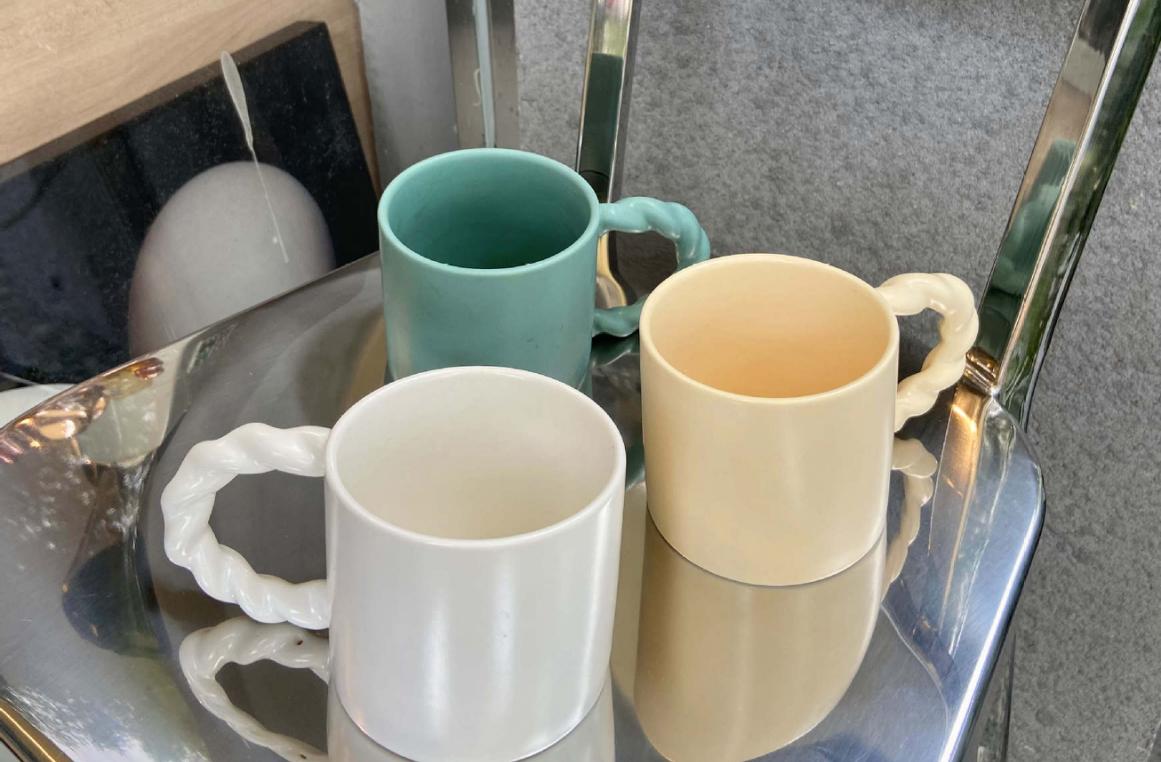
A quick table: when a ceramic mug can hold soda, and when to skip it
| Situation | Suggestion | Why |
|---|---|---|
| An everyday mug with an intact glaze, filled with room-temperature or chilled cola, lemon-lime soda, or sparkling water, drunk right away | Generally fine | First check for cracks, crazing, or chips; leave a little room at the rim, because the bubbles will rise |
| The mug is still hot from just holding boiling water, and you pour in ice-cold soda | Don’t | That’s thermal shock, not a soda problem. Let the mug return to room temperature first; details are in can you put ice in a ceramic mug |
| A gold-rim, plated, or metal-decal mug used for soda | Switch to a plain-glaze everyday mug if you can | Soda is slightly acidic, and condensation plus rubbing is unkind to decorative layers |
| A mug that already has crazing, a crack, or a chip, still used for soda | Stop using it for drinks | Acid and liquid find their way into the gaps more easily; see ceramic mug cracked: what to do and ceramic mug chipped: what to do |
| Sealing the lid and shaking, or leaving soda in the mug overnight | Don’t | A tight seal plus shaking can spray; by the next day the fizz is gone, and sugar and color can leave a film. Wash it after you drink |
| Lemon soda, or sparkling water with lemon slices, left to steep in the mug for a long time | Follow the lemon-water guide; don’t mix it with this page | See can you make lemon water in a ceramic mug |
A practical order: check the glaze, pour, leave headroom, and wash after you drink
- Start with an everyday mug that has an intact glaze and less decoration: Hold it to the light at the rim, the inner wall, and the base, and confirm there are no cracks or chips. A plain glaze is the easier choice, such as the clean-line ceramic mug or the rope-texture Nordic mug. For gold-rim or plated mugs such as the Korean platinum-rim ceramic mug or the silver-plated planet mug, a plain-glaze mug is the safer swap.
- Chilled soda still has to pass the “hot mug” test: Don’t pour ice-cold cola into a mug that’s still hot. Let the mug return to room temperature, then pour along the inner wall and leave a little room at the rim for foam. The thermal-shock principle is in can you put ice in a ceramic mug and can you pour boiling water into a ceramic mug.
- A slightly larger capacity helps, but don’t expect a ceramic mug to lock in the bubbles: Foam takes up space, so the large-capacity circle-texture mug or the chubby Nordic ceramic mug can feel more comfortable. Ceramic has no sealed, gas-holding structure; once you pour, the fizz slowly leaves. That’s normal. See ceramic mug heat retention—neither cold-holding nor bubble-locking should be judged against a can or a vacuum flask.
- The wall will sweat, so set it on something, and wash after you drink: Ice-cold soda makes droplets on the outside; a Nordic-style ceramic coaster helps. Sugar and color left on the wall should be washed off promptly, not left overnight. For dust, you can use a universal ceramic dust lid (check the rim first), but don’t clamp it down and shake.
- Short contact between acid and a sound glaze is not the same as a long soak: Pouring a glass and drinking it now is not the same as leaving lemon slices or a fruit soda in the mug for hours. The latter is in can you make lemon water in a ceramic mug.
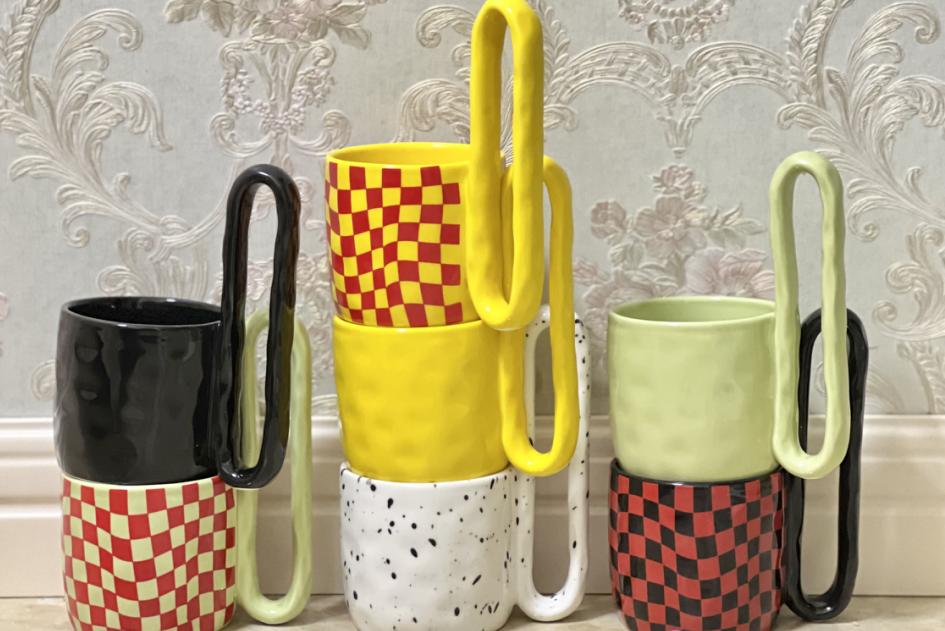
What to avoid
- Reading this as “you can add ice however you like,” or “you can steep lemon in it for a long time”: Ice is in can you put ice in a ceramic mug; a long acidic soak is in can you make lemon water in a ceramic mug.
- Pouring ice-cold soda into a still-hot mug: Let the mug return to room temperature first; see can you pour boiling water into a ceramic mug.
- Using a gold-rim or plated mug for soda, or rubbing the decoration after it sweats: A plain-glaze everyday mug is the better default.
- Keeping a cracked, crazed, or chipped mug in service for soda: Stop using it for drinks; see ceramic mug cracked: what to do.
- Sealing the lid and shaking, or leaving leftover soda in the mug overnight and drinking it later: The fizz will fade and a sugary film can stay. Pour it out and wash the mug.
A brief note from Boom Cup
Using an everyday ceramic mug for a glass of soda comes down to the condition of the mug, and to keeping “pour and drink” separate from a long soak or a sealed shake. Boom Cup suggests a mug with less decoration and an intact glaze, waiting until the mug is back at room temperature before you pour, leaving a little room at the rim for foam, and washing it after you drink. Don’t expect it to hold bubbles the way a can does.
FAQ
Can you put soda in a ceramic mug?
An everyday ceramic mug with an intact glaze and no gold trim or plating can generally hold cola, lemon-lime soda, or sparkling water for a short drink. Avoid pouring ice-cold soda into a still-hot mug, and don’t seal it, shake it, or leave it to soak overnight. Two easier everyday options to start with are the clean-line ceramic mug and the rope-texture Nordic mug, still subject to the product notes.
Is this the same as putting ice in a ceramic mug, or making lemon water in one?
No. This page is only about what to watch after a carbonated drink goes into a ceramic mug. Thermal shock from adding ice or pouring a cold drink is in can you put ice in a ceramic mug. A long soak with lemon or other acidic drinks is in can you make lemon water in a ceramic mug. Don’t collapse the three into one conclusion.
Can a gold-rim or plated mug hold cola?
It shouldn’t be the default choice. Soda is slightly acidic, and condensation plus rubbing is unkind to gold trim, plating, or metal decals. For a mug such as the Korean platinum-rim ceramic mug, switch to a plain-glaze everyday mug before you pour soda.
Can soda stay in a ceramic mug overnight? Can I put a lid on and shake it?
We don’t recommend drinking it the next day. The fizz will fade, and sugar and color can leave a film on the wall, so wash it after you drink. A lid is only for dust and splashes, such as the universal ceramic dust lid (check the rim first). Don’t clamp it down and shake, or it may spray.
Does putting soda in a ceramic mug make the mug unsafe?
A sound, everyday glazed mug used for a short glass of soda usually isn’t a reason to treat the mug as suddenly unsafe. If the mug is already cracked or chipped, don’t keep using it for drinks; see ceramic mug cracked: what to do.