The short answer: “Can you make milk tea in a ceramic mug?” — yes. An everyday ceramic mug with an intact glaze, a handle, and enough capacity is fine for mixing or serving milk tea. Stir the powder with a little warm water into a smooth slurry first, then pour in hot water and keep stirring. Wash off the milk film and syrup as soon as you finish, and don’t sit the mug on a stove or leave milk soaking overnight. Tapioca pearls (boba), taro balls, and similar toppings shouldn’t sit in the mug for a long time. Don’t use a gilded, crackle-glaze, or already-chipped mug for milk tea.
First, making milk tea isn’t the same as pouring hot milk or boiling a syrup
Can you make hot cocoa in a ceramic mug is mainly about cocoa powder clumping and a fatty film on the wall. Can you put soy milk in a ceramic mug is about drinking it fresh and the protein film it can leave. This page is only about whether it’s a good idea to mix powdered milk tea in an everyday ceramic mug, or to pour in a shop-bought hot milk tea, and what to watch for. An intact everyday ceramic mug can take hot water, but that is not the same as sitting the mug on a stove to simmer milk tea. The sugar, milk, and powder left in milk tea leave a film and a smell on the glaze more easily than plain water does.
A quick table: how to make milk tea in a ceramic mug
| Your situation | A better approach | Better to skip |
|---|---|---|
| You’re mixing a powder or a small instant packet | Stir the powder with a little warm water into a smooth slurry first, then pour in hot water along the wall of the mug and keep stirring. Use a mug with a handle, and leave room to stir | Dumping dry powder straight into freshly boiled water and stirring from the bottom, or forcing the mix in a small mug filled to the rim |
| You’re pouring a shop-bought hot milk tea into a ceramic mug | That’s fine. Choose an everyday mug with an intact glaze and a comfortable grip, and rinse the inside and the foot as soon as you finish, before the sugar film sets | Leaving it in the mug overnight, or letting tapioca pearls soak in the cup for a long time |
| You want to add tapioca pearls, taro balls, or a foam topping | Add a small amount just before you drink, finish it soon, and rinse. Don’t let toppings sit in the mug for long | Soaking pearls in the milk tea overnight, or using the mug as a pot to cook the pearls |
| The mug is gilded, decal-decorated, crackle-glazed, or already chipped | Switch to an everyday mug with a plain, intact interior before you mix | Using a decorative mug over and over for hot milk tea, or putting it in the microwave or leaving it to soak |
| You have leftover milk tea and want to reheat it | First confirm the mug has no metal trim, then reheat briefly according to your microwave’s instructions. It’s better to mix only what you’ll drink that day | Microwaving overnight milk tea in the mug for a long time, or sitting the mug on a stove to reheat |
A ceramic mug can handle milk tea because of an intact glaze and prompt washing—not because the mug is a small saucepan. Dissolve the powder first, and don’t leave milk and sugar in the cup overnight, and the mug will stay pleasant to use.
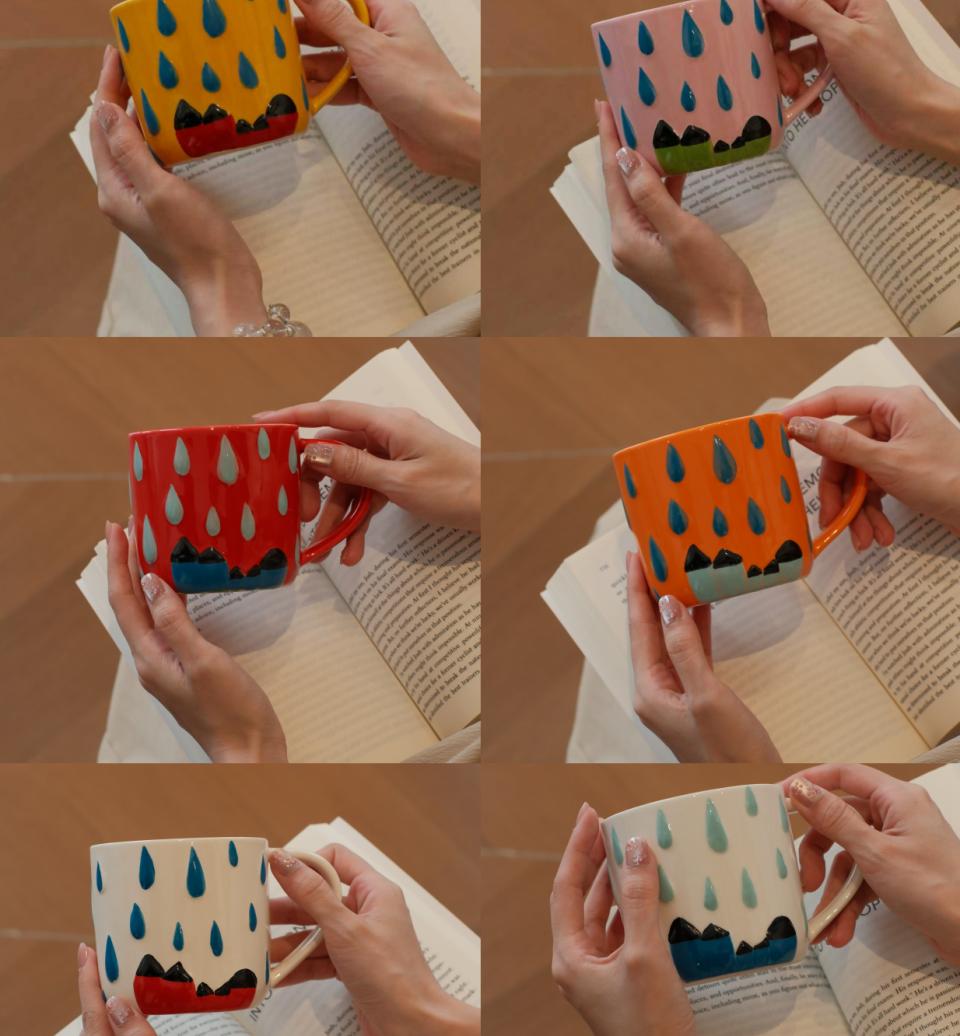
What you can do: mix a slurry first, then add hot water, then wash right away
- Check the glaze first, then the handle and the capacity. A plain, uncracked, unflaked interior is easier to wash once milk and syrup have been in it. If the mug is too small, the slurry and the hot water splash easily. A slightly roomier shape helps—see the XL Chubby Ceramic Mug or the easier-to-hold chubby ceramic mug, then compare shapes on the product list.
- Make a slurry with the powder first, then add hot water. Pour in a little warm water, scrape and stir the powder smooth, then pour hot water along the wall of the mug. You’ll get fewer lumps and less clinging to the sides. Hot water is fine in an intact everyday ceramic mug; don’t sit the mug on a gas flame or an induction cooktop to boil.
- Wash as soon as you finish, and don’t leave milk overnight. Milk protein and sugar form a film on the interior; once it cools, it’s harder to clean and more likely to hold a smell. Soak briefly in warm water first if you need to. Whether a mug can go in the dishwasher depends on the decoration; gilded mugs and any mug that’s already damaged are still better washed by hand.
- To keep it warm, use a lid—don’t keep reheating it. For a short stretch of warmth and a cover against dust, add a universal ceramic dust lid. When you set a hot mug on the table, an absorbent ceramic coaster is also steadier. Don’t keep boiling leftover milk tea just to keep it hot.
- Add tapioca pearls and taro balls just before you drink. Left in the mug too long, they go soft and stick to the bottom, and a mug isn’t the right vessel for cooking them. Rinse the foot of the mug when you’re done, so leftover pearls don’t catch.
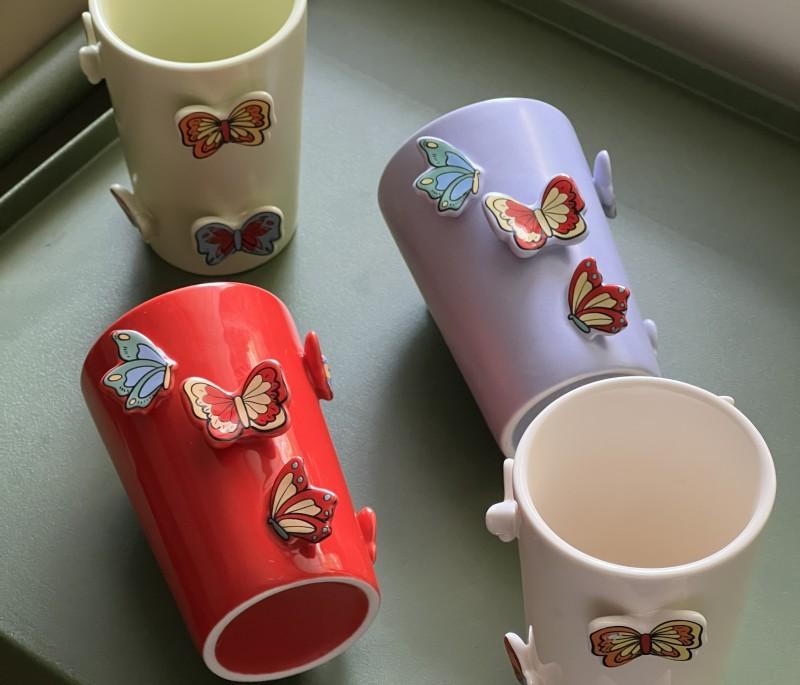
What to avoid
- Sitting a ceramic mug on the stove to cook milk tea: an everyday mug is not a saucepan. A sudden heat or uneven heat can damage the glaze or the body.
- Leaving milk tea in the mug overnight: milk and sugar form a film and a smell, and in warm weather the drink spoils more easily. Wash as soon as you finish.
- Using a gilded, crackle-glaze, or already-chipped mug for hot milk tea: decorative surfaces don’t love repeated hot washing, and a damaged interior is harder to get clean.
- Pouring boiling water straight onto dry powder with no slurry first: it clumps, clings to the wall, and is more work to wash.
- Leaving pearls in the mug for a long time, or cooking them in the mug: toppings stick to the bottom, and the mug can’t take that kind of cooking.
A quiet brand note
For milk tea in a ceramic mug, choose an everyday cup with an intact glaze, a handle, a little extra capacity, and an interior that’s easy to stir and wash. At Boom Cup, you can start with the roomier XL Chubby Ceramic Mug or the easier-to-hold chubby ceramic mug, then compare shapes on the product list. For a short stretch of warmth or a cover against dust, add a universal ceramic dust lid.
FAQ
Can you make milk tea in a ceramic mug?
Yes. An everyday ceramic mug with an intact glaze, a handle, and enough capacity is fine for mixing or serving milk tea. Stir the powder smooth first, then add hot water; wash off the milk film and syrup as soon as you finish; and don’t sit the mug on a stove or leave milk overnight.
Can I add tapioca pearls or taro balls when I make milk tea in a ceramic mug?
Yes, in a small amount, added just before you drink. Don’t let them soak in the mug for a long time, and don’t cook the pearls in a mug. Rinse the bottom when you’re done so leftovers don’t stick.
Why does a ceramic mug smell or show a film after milk tea?
Usually because milk and sugar stayed on the interior and weren’t washed off right away. Soak briefly in warm water, then wash, and rinse as soon as you finish next time. Don’t leave milk tea in the mug overnight.
Can I reheat leftover milk tea in the mug in the microwave?
If the mug has no metal trim and the glaze is intact, you can reheat it briefly according to your microwave’s instructions. It’s better to mix only what you’ll drink that day. Don’t reheat milk tea that’s already been left overnight, and don’t sit the mug on a stove.
Which ceramic mugs are a poor choice for milk tea?
Gilded, crackle-glaze, already-chipped, or hard-to-clean decorative mugs are a poor fit. Choose an everyday mug with a plain interior, a handle, and enough room to stir, and wash it promptly when you finish.