Conclusion: Dishwasher safe coffee mugs are usually plain or underglaze ceramic without metal trim. Gold, platinum, electroplated knobs, and fragile high-relief décor prefer a soft sponge—the clay survives; the decoration often does not.
Alkaline detergent, spray, and hot dry cycles punish surfaces. Boom Cup product pages call out special finishes—when in doubt, hand wash the pretty rim and machine-wash only the quiet everyday mug. Shop durable desk options in the English product list, including the clean-line ceramic mug.
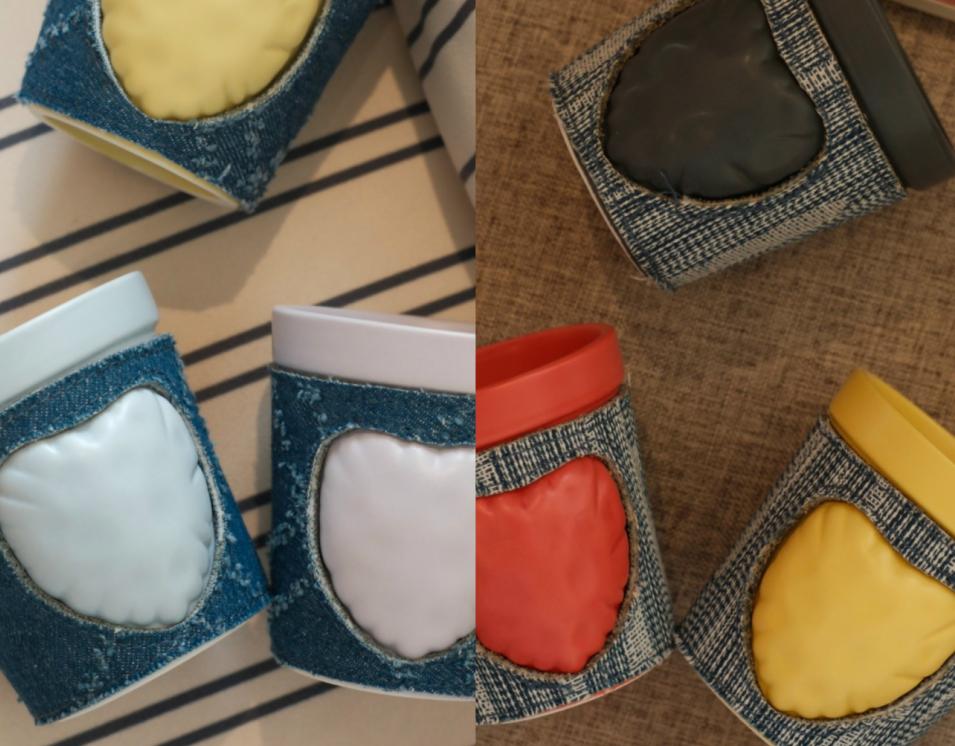
Dishwasher vs microwave care
Answer: A mug can be microwave-safe and still hate the dishwasher (gold rims), or survive both when the glaze is quiet underglaze.
Cross-check heating rules in microwave safe coffee mug. Lids and strainers: wash metal bits by hand even when the ceramic body is machine safe—see ceramic mug with lid.
Cup body vs decoration
Answer: Ask what sits on the surface, not whether “it’s ceramic.”
Three machine stresses matter:
- Alkaline detergent — dulls and lifts metallic decoration and some overglaze colors.
- Spray + collision — thin walls, tall handles, and high relief chip when stacked poorly.
- Hot dry — accelerates gold oxidation and plating wear.
Two white mugs can look identical and need opposite care.
Finish-by-finish guide
Answer: Underglaze → usually yes; metal trim → hand wash.
| Finish | Dishwasher? | Practice tip | |—|—|—| | Solid glaze / underglaze | Usually yes | Top rack, no stacking | | Some overglaze prints | Check label | Hand wash if unsure | | Gold / platinum rim | No | Soft sponge, mild soap | | Electroplated knobs / rings | No | Wash mug body separately if needed | | High relief / deep texture | Cautious | Hand scrub seams occasionally |
Everyday desk cups with quiet glaze are the low-drama choice—see best office ceramic mug. Photo-forward Korean rims belong in the hand-wash lane; style map: aesthetic ceramic mug guide.
Underglaze and solid glaze — machine friendly
Color under the glassy layer resists abrasion better. Best habits:
1. Place on the top rack, opening down or per your machine manual. 2. Keep clear of knives, pans, and heavy boards. 3. Skip ultra-hot dry when you can; air dry protects glaze longevity.
Coffee and tea film still need chemistry help sometimes: a quick baking-soda soak before a machine cycle clears tannin rings that detergent alone smears around. Rinse milk residue the same day when you can—dried protein is what “mystery dishwasher smell” often is.
Gold and platinum rims — hand wash
Those cream-and-gold Instagram cups fail here first. Warm water, mild soap, soft sponge; blot dry. Do not scrub the rim like a burnt pan. If you love the look, keep one plain dishwasher safe ceramic mug for weekday chaos and reserve the rimmed piece for slow weekend coffee.
Lids, strainers, and metal bits
Wash metal lid knobs and strainers by hand even if the ceramic body is machine safe. Lidded setups: ceramic mug with lid. Leaf-tea inserts: tea strainer mug guide.
Office vs home machines
Home dishwashers are controllable; office machines are lottery tickets—unknown detergent strength, crowded racks, and someone else’s cast-iron pan swinging beside your handle. A dishwasher safe ceramic mug with quiet glaze still deserves top-rack real estate and space. Decorative Boom Cup pieces should commute home in a bag, not ride the communal rack.
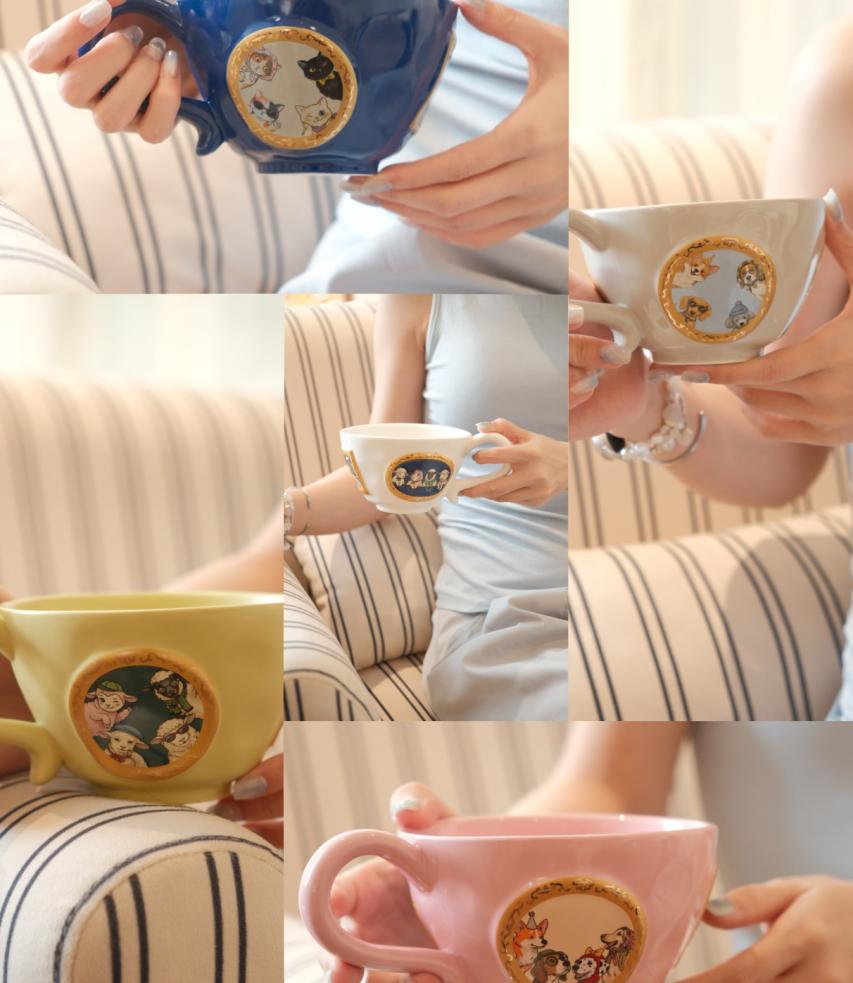
Six steady dishwasher rules
Answer: Label first; gentle rack second.
1. Trust the dishwasher-safe icon on the base or packaging. 2. Unsure? Hand wash. One ruined gold rim costs more than thirty seconds of sponge time. 3. Top rack, secured, never nested rim-to-rim. 4. Avoid blasting delicate décor with the strongest pod every night. 5. Remember microwave ≠ dishwasher. Cross-check microwave safe ceramic mug. 6. Bone china and very thin walls chip easier—space them generously.
Pitfalls that quietly ruin cups
- Treating every “ceramic” gift as dishwasher durable.
- Parking gold rims under cutlery.
- Baking milk residue on with high heat dry.
- Machine-washing a full lid set with metal hardware.
- Assuming higher price equals tougher décor (often the opposite).
- Running “pots and pans” heat on a full load of thin-handled mugs every night.
Gift and couple sets often mix finishes—agree on care before the first load: birthday gift mug for girlfriend, how to choose couple mugs. Write a one-line house rule (“gold = hand wash”) and stick it inside the cabinet; it prevents more arguments than any detergent upgrade.

Are dishwasher safe coffee mugs always ceramic?
Many are ceramic, but “dishwasher safe” depends on finish more than material. Underglaze ceramic usually passes; metal trim usually fails.
Can gold-rim mugs go in the dishwasher?
No. Hand wash gold and platinum rims with mild soap. Keep one plain dishwasher safe coffee mug for weekday chaos.
Top rack or bottom for ceramic mugs?
Top rack is safer—less collision with pans and knives. Avoid overcrowding tall handles.
Do lids and tea strainers go in the dishwasher?
Hand wash metal knobs and mesh inserts. Ceramic bodies may still be machine safe.
How do I remove coffee stains from dishwasher safe mugs?
A baking-soda soak before a cycle clears tannin rings that detergent alone smears around.
Is dishwasher care the same as microwave care?
Not always. Check both labels. Our microwave guide covers reheating; this page covers detergent and dry cycles.
Soft next step
Boom Cup ceramic mugs are made for everyday playfulness—desk coffee, loose-leaf tea, and gift-worthy glaze. Browse the English product list.
Dishwasher rules are separate from daily wash and storage. See the ceramic mug care FAQ.