Quick answer: Ceramic mug cracked—what to do? First separate surface glaze crazing from a through-crack: fine glaze hairlines that don’t seep can be watched; if it leaks, the chip grows, it sounds dull when tapped, or the crack reaches the rim / base / handle root—stop using it for hot drinks. Below: how to tell, thermal shock, when to retire, prevention, and care links.
Two common “cracks”: crazing vs structural crack
Everyday talk mixes two different problems:
- Crazing / glaze hairlines: Fine web-like lines mostly in the glaze; sometimes looks worse than it performs, and may not leak right away.
- Through-crack / chip crack: You can feel a seam, see light through it, pour-water weeps, or a light tap sounds dull—the structure is already compromised.
Daily care overview: ceramic mug care FAQ; coffee-ring cleaning: how to wash coffee stains from mugs.
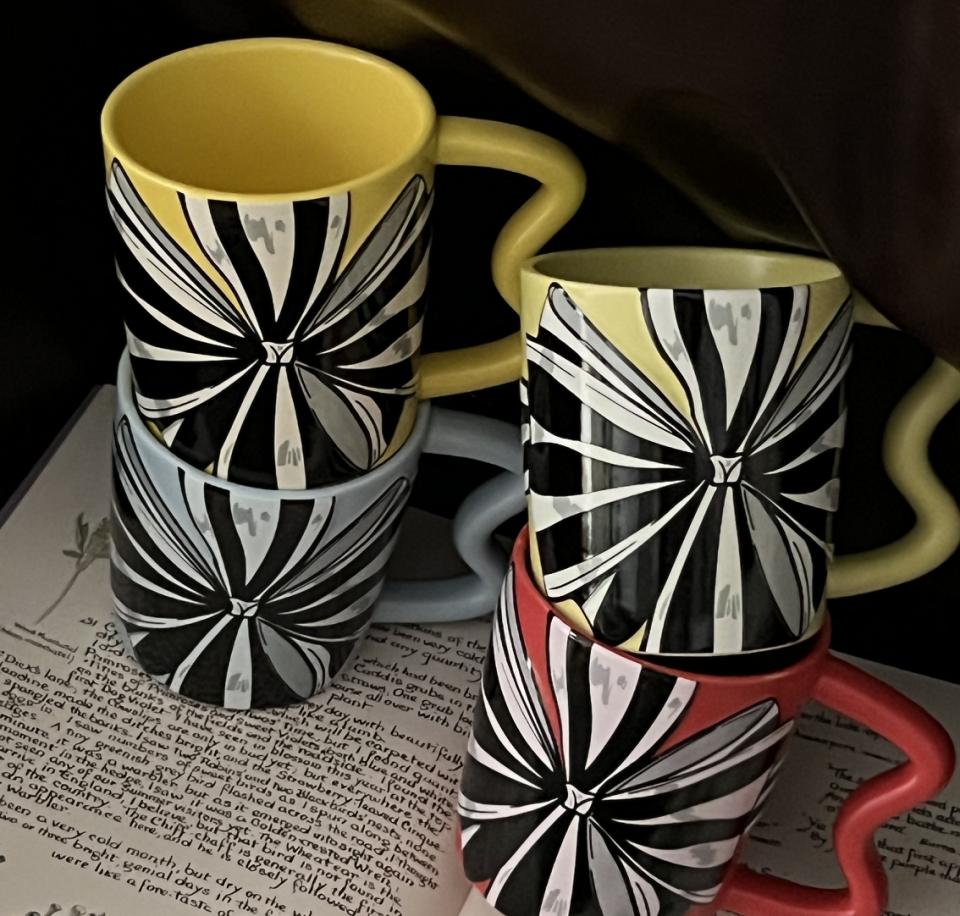
One table: how to judge a cracked ceramic mug
| What you see | Likely cause | What to do |
|---|---|---|
| Fine glaze web, no seep, no chip | Glaze vs body expansion mismatch; long-term temperature swings | Watch; avoid more extreme hot/cold shocks |
| Water weeps, wet print on outer wall, nail catches in the seam | Through-crack or impact damage | Stop hot drinks; don’t push microwave / dishwasher |
| Crack at rim or handle root; dull tap sound | Structural damage | Retire; handle-root cracks can snap suddenly |
| Cracks right after boiling pour or fridge-to-hot | Thermal shock | Retire the damaged mug; later warm the cup first and avoid hard swings |
| New lines after washing; decal edges lifting | Knocks or harsh scrubbing | Check for leaks; switch to gentle hand wash |
Why thermal shock hurts ceramic mugs
Ceramic doesn’t conduct heat instantly, and body vs glaze don’t expand at the exact same rate. Classic ways to crack a mug:
- Iced mug + boiling water, or pouring boil into a cup still holding ice.
- Hot mug blasted with cold water, or dropped into a sink full of cold water.
- Unknown builds forced into microwave / oven with hot spots—read microwave-safe mugs and microwave-safe ceramic mug first.
- Dishwasher high-heat + cold rinse is rough on some glazes; when unlabeled, prefer hand wash (see care FAQ above).
Already cracked: can you repair it? Should you toss it?
- Leaking, growing chip, or handle-root crack: Don’t keep it as a drinking mug. Most food-contact repair glues aren’t built for long-term hot drinks—looks and safety both suffer.
- Shallow glaze crazing only, no seep for years: You can keep watching, but skip more thermal shock; retire at the first leak.
- Don’t “fix” hot drinks with tape or all-purpose glue: Stuck for a day ≠ safe to sip.
- When replacing, prefer slightly thicker walls and intact glaze: Better grip under temperature swings for daily water / tea. Simple durable: no-logo clean ceramic mug; dust-lid set: couple rose chubby mug + lid set (match rim size).

Prevention checklist: better than “fixing”
- Warm the cup before boiling pours: Rinse the inside with warm water, then add the hot drink.
- No hard ice↔heat collisions: Let fridge-cold mugs return toward room temp; don’t blast hot mugs with cold water.
- Wash gently: Soft cloth + mild dish soap; coffee stains: how to wash coffee stains from mugs; broader habits: ceramic mug care FAQ.
- Dishwasher only when labeled: Unlabeled → hand wash is the safer default.
- Store to avoid knocks: Soft pads when stacking; keep handles and rims from hard collisions.
Soft brand note
When picking an everyday mug, feeling wall thickness and intact glaze at Boom Cup usually beats “looks thin and pretty” for surviving a hot tea pour. Crack prevention is mostly habits—and a little bit the mug itself.
FAQ
Ceramic mug cracked—what to do? Can I still drink from it?
Check for seepage, growing chips, and handle-root cracks. Leak or structural crack → stop hot drinks. Glaze hairlines only with no seep → watch carefully and avoid more hot/cold shocks.
What’s the difference between crazing and a real crack?
Crazing is often a fine glaze web and may not leak; a through-crack has a feelable seam, can weep, and often taps dull. When unsure, treat it as “stop hot drinks.”
It cracked when I poured hot water—is that always a quality issue?
Not always. Thermal shock (ice mug + boil, or hot mug + cold water) is a common cause. Build and use both matter—warm the cup first and avoid extreme swings next time.
Can a cracked mug go in the dishwasher or microwave?
No. Existing cracks hate more temperature swing and vibration. Even intact mugs need process labels—see microwave-safe mugs and ceramic mug care FAQ.
What should I look for in a tougher everyday ceramic mug?
Intact glaze, slightly thicker walls, solid handle root—e.g. no-logo clean ceramic mug; with lid: chubby mug + lid set. Care habits: ceramic mug care FAQ.
Wrap-up
Ceramic mug cracked what to do—separate glaze crazing from a through-crack; stop hot drinks on leaks or handle-root splits; prevent the next one with warm-cup habits and gentler washing.