Answer first: “Can you put soy milk in a ceramic mug?” — yes, an everyday ceramic mug with an intact glaze can usually hold hot soy milk if you drink it at that sitting; don’t store soy milk in the mug overnight. What soy milk leaves behind is a protein film; sweetened soy milk stains more easily. Washing it the same day is easier than trying to fix it later. This page is only about soy milk. Don’t apply the conclusions from the hot-milk article as if they were the same thing.
Keep these separate: holding soy milk is not the same as holding hot milk, pouring boiling water, or storing a drink overnight
Using a ceramic mug for hot dairy milk is covered in can you put hot milk in a ceramic mug; that page is about milk protein and milk fat, not the plant-protein film soy milk leaves. If you pour just-boiled soy milk into a cup that has just come out of a cupboard, start with the temperature difference—see can you pour boiling water into a ceramic mug. Whether the glaze itself is a safety concern is in lead and cadmium in ceramic mugs. This page does not invent lab results or certification numbers.
This page only answers whether a sound everyday ceramic mug can be used to drink soy milk, how to pour it, how to wash it, and whether you can store soy milk in the mug. Soy milk and dairy milk both contain protein, but soy milk often has a slight bean-solids feel and becomes stickier when sweetened. Wash it as soy milk, not with a single line that “any hot drink is fine.”
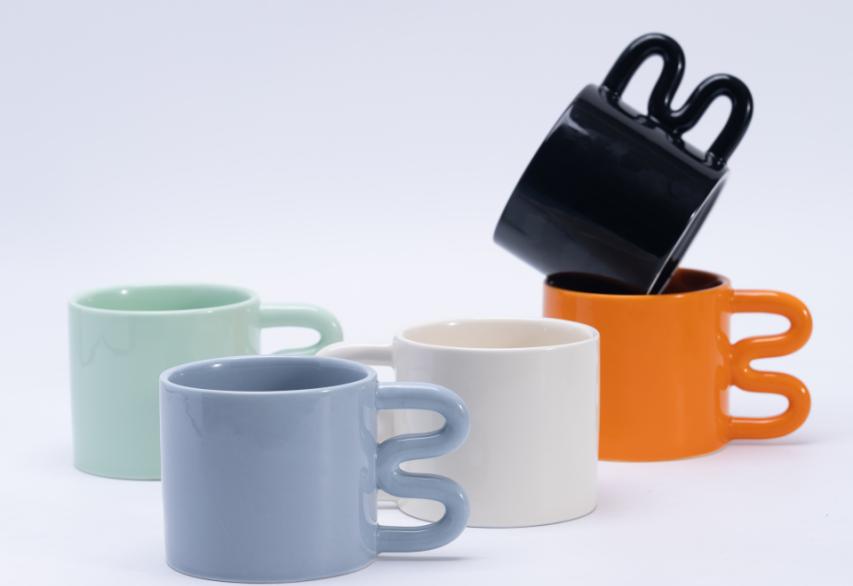
A quick table: using a ceramic mug for soy milk
| Use | A better fit | Watch out for |
|---|---|---|
| A fresh, hot drink at that sitting | An everyday ceramic mug with an intact, smooth glaze, such as the Clean-Line Ceramic Mug | A mug with a crack, peeling glaze, or a chip—don’t use it for hot drinks |
| Before you pour | Let the mug adjust to the temperature, especially if the soy milk has just been cooked and is close to boiling; the temperature-difference notes are in can you pour boiling water into a ceramic mug | Pouring piping-hot soy milk into a mug that has just come out of the fridge |
| A larger breakfast serving | A larger, easy-to-hold everyday mug, such as the XL Chubby Ceramic Mug; capacity notes are in how many milliliters a typical mug holds | Using a highly decorated mug whose interior is hard to brush, especially with soy milk that has fine solids |
| A short period of warmth or a dust cover | Rest a lid loosely on top, such as the Universal Ceramic Dust Lid or an ins-style ceramic lid, and still wash the mug the same day | Sealing the mug and leaving soy milk in it for half a day, or overnight |
| Reheating leftover soy milk | Pour the leftover into a suitable container and refrigerate it, then return it to a microwave-safe plain mug when needed; microwave notes are in microwave-safe mugs | Letting soy milk cool to room temperature in the mug and leaving it overnight; don’t microwave gold-rim or plated mugs |
| After you finish | Wash with warm water before the protein film dries; whether the mug can go in the dishwasher is in dishwasher-safe ceramic mugs | Leaving it unwashed overnight, or scrubbing a sound glaze with a coarse steel pad |
This table is not a substitute for laboratory testing. What you can judge is how you use the mug: the glaze is intact, you drink it after pouring, you don’t store soy milk in the mug overnight, and you wash the film off the same day. Safety details of the glaze and decoration still belong in lead and cadmium in ceramic mugs.
A practical order: check the mug first, then decide how to serve soy milk
- Check the glaze first. The interior and the rim should be intact, with no crack, peeling glaze, or chip. A mug that has already developed crazing, or whose glaze is no longer complete, should not be used for hot soy milk. What to do when a mug crazes or cracks is in what to do if a ceramic mug is cracked.
- Choose an everyday mug with a smooth, easy-to-wash interior. Soy milk leaves a thin film, and sweetened soy milk makes it more obvious. A mug with deep relief, or an interior that is hard to brush, can still be used—it is simply more work. A plain mug such as the Clean-Line Ceramic Mug is easier.
- Watch the temperature difference before you pour. Freshly cooked soy milk is close to boiling-water temperature, so the mug needs time to adjust. Don’t pour it straight into a mug that has just come out of the fridge. The details are in can you pour boiling water into a ceramic mug; this page does not repeat them.
- A lid is only for a short period of warmth and keeping dust out—not for storage. Soy milk is a protein drink and is a poor fit for being sealed in an everyday mug for half a day or overnight. If you want to keep it for the next meal, move it to a suitable container in the fridge; don’t just put a lid on it and leave it on the table.
- Wash it the same day; don’t wait until the film has dried. Warm water and ordinary washing are usually enough. If a smell lingers, see what to do if a ceramic mug smells. Don’t scrub a sound glaze with a coarse steel pad; fine scratches will make the mug pick up stains more easily later.
What to avoid
- Storing soy milk in a mug overnight. Using the mug for a fresh drink is fine. Using it as a storage jar overnight is neither hygienic nor easy to wash once the protein film sets.
- Pouring hot soy milk into a cracked mug. Stop using it for hot drinks, or give it another use.
- Pouring piping-hot soy milk into a mug that has just come out of the fridge. Deal with the temperature difference first, then pour.
- Microwaving leftover soy milk in a gold-rim or plated mug. Check microwave-safe mugs first. If you are unsure, switch to a plain mug, or reheat it in a pan.
- Leaving the mug unwashed overnight, or scraping the glaze with a coarse steel pad. A dried film is harder to clean, and a scratched glaze will pick up stains more easily later.
A brief note from Boom Cup
Can you put soy milk in a ceramic mug? For a short, fresh drink, it comes down to whether the glaze is intact. Overnight storage, ignoring the temperature difference, and leaving the protein film to dry are not jobs for an everyday mug. Boom Cup would rather you choose a plain everyday mug with a smooth interior, watch the temperature when you pour, and wash it the same day—without treating the mug as a storage jar, and without copying the hot-milk conclusions straight onto soy milk.
FAQ
Is it safe to put soy milk in a ceramic mug?
An everyday mug with an intact glaze, and no crack or peeling glaze, can usually hold hot soy milk if you drink it at that sitting. Don’t store soy milk in it overnight. Questions about lead and cadmium in the glaze are in lead and cadmium in ceramic mugs. This page does not invent lab results or certification numbers.
What’s the difference between soy milk and dairy milk in a ceramic mug?
Both contain protein, and both are best drunk at that sitting and washed the same day. Soy milk leaves a plant-protein film; homemade soy milk may also have fine solids, and it becomes stickier when sweetened. Dairy milk residue is more about milk fat. How to use a ceramic mug for hot milk is in can you put hot milk in a ceramic mug. Don’t treat the two pages as the same conclusion.
Can you microwave leftover soy milk in a mug?
Yes, with conditions: refrigerate the leftover in a suitable container first, then pour it into a microwave-safe plain mug to reheat. Don’t microwave gold-rim or plated decoration. The details are in microwave-safe mugs. Don’t leave soy milk in the mug at room temperature overnight and then reheat it.
Soy milk left a film in the ceramic mug. How should you wash it?
Wash it the same day with warm water, before the film dries. Ordinary washing is usually enough. If a smell remains, follow what to do if a ceramic mug smells. Don’t scrub a sound glaze with a coarse steel pad. Whether it can go in the dishwasher is in dishwasher-safe ceramic mugs.
If the soy milk is sweetened or has bean solids, do you need a different mug?
You don’t need a special mug just for that, but a smooth, easy-to-wash everyday mug is a better fit—for example the Clean-Line Ceramic Mug. Sugar and fine solids make residue more noticeable, so the important habit is washing it the same day, not finding a mug that “will never stain.”