Answer first: “Can you put soup in a ceramic mug?” — an everyday ceramic mug with an intact glaze and a handle can usually hold or serve soup for a short sitting; don’t pour boiling-hot soup into a mug that is still cold, wash oily soup promptly, and skip gold-rimmed or cracked cups. A mug is not a stand-in for a soup bowl. If a meal is built around a large serving of soup that you eat slowly with a spoon, a bowl is still the better tool.
First, soup is not the same as instant noodles, boiling water, or hot milk
Can you make instant noodles in a mug is about a noodle block, seasoning, and a long soak. Can you pour boiling water into a ceramic mug is about an empty cup meeting sudden heat. Can you put hot milk in a ceramic mug is about milk residue and warming habits. This page only answers whether it is reasonable to ladle soup into a ceramic mug or drink soup from one, how to lower the risk of a crack, and how to wash oil. How long a ceramic mug holds heat is in ceramic mug heat retention; this page will not treat insulation as a promise.

A quick table: soup in a ceramic mug, by the kind of soup
| Your situation | A better approach | Better to skip |
|---|---|---|
| A clear or vegetable soup that is hot but not very oily, and you’ll finish it soon | Use an everyday mug with an intact glaze and a handle, and warm the cup with warm water before you pour. If you need more capacity, choose a larger mug such as the XL Chubby Ceramic Mug or the INS Circle Ceramic Mug | Pouring boiling-hot soup into a mug just taken from the fridge, or using a cup that is already cracked or chipped |
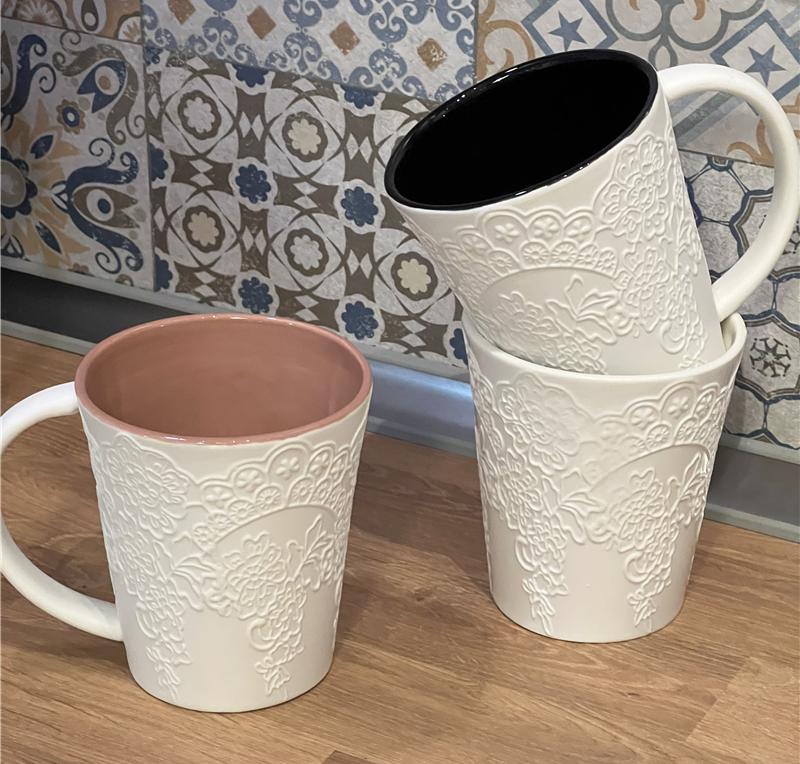
| A richer soup, such as pork-rib or bone broth with more fat | An everyday mug with a smooth glaze is still fine for a short sitting; wash it with hot water and a mild detergent as soon as you finish. The plainer the shape, the easier it is to clean — for example the Clean-Line Ceramic Mug | A mug with deep relief and many crevices, where oil collects, or leaving oily soup in the mug overnight |
| A more acidic soup, such as tomato or hot-and-sour soup | An everyday ceramic mug with an intact glaze is usually fine for a short sitting; don’t store the soup in it. Notes on acidic drinks are also in can you put juice in a ceramic mug, but juice and soup are not the same question | Gold-rimmed, plated, or already damaged-glaze cups, or leaving acidic soup in the mug overnight |
| The meal is built around soup, and you’ll eat it slowly with a spoon | Switch to a bowl. A mug has a smaller opening and limited depth; tipping it for a long time to scoop soup is both hot on the hands and unstable | Forcing a large serving into an ordinary mug, or carrying hot soup in a thin, handle-less cup |
| The mug is still cold from washing, or has just come out of the fridge | Rinse the body and the foot with warm water first, then add the hot soup. That sudden temperature swing is the thermal shock described in can you pour boiling water into a ceramic mug | Pouring boiling soup straight into a cold mug to save a step |
If you’re wondering whether to move up to a larger mug, see what capacity is right for a large mug. For everyday soup, it is better to pour a little less, or to refill once, than to fill almost to the rim, where it is easier to spill and easier to burn your fingers.
A better order: preheat, leave a rim, and wash as soon as you finish
- Check the glaze and the rim first; don’t put hot soup in a cracked or chipped mug. A crack can grow when it meets hot soup. If the cup is already cracked or lined, see what to do if a ceramic mug is cracked, and don’t keep using it as tableware.
- Warm the mug with warm water before you add hot soup, to avoid thermal shock. This matters more in winter, in an air-conditioned room, or when the mug has just come out of a fridge or a cold cabinet. You only need the wall to stop feeling icy; you don’t have to pour boiling water over it again and again.
- Choose a mug with a handle and a smooth glaze, and size it to what you’ll actually drink. A handle keeps your hand away from the heat. For a larger serving, see the XL Chubby Ceramic Mug or the INS Circle Ceramic Mug; for a small serving you’ll finish soon, the Clean-Line Ceramic Mug is usually enough.
- Wash oily or milky soups as soon as you finish; don’t leave them overnight. Fat leaves a film on the glaze, and relief and the foot ring are harder to clean. That is not the same problem as a long instant-noodle soak, but the same rule applies: don’t let food sit in the mug for hours.
- Don’t use gold-rimmed or plated mugs for hot soup. The rim and the decorative layer mind repeated rubbing and hot soaking more. Those cups are better for an occasional drink than for soup.
What to avoid
- Pouring boiling-hot soup into a ceramic mug that is still cold, or that just came out of the fridge: a sharp temperature swing can crack the wall, and in a serious case the mug can split.
- Using a mug that is already cracked or chipped for soup: hot soup can seep through the gap, and it is less safe. What to do with a chip is in what to do if a ceramic mug is chipped.
- Treating a mug as a large soup bowl, filling it almost to the rim, and stirring with a spoon: the rim gets hot, it spills easily, and it isn’t stable.
- Leaving oily soup overnight, or using a deep-relief mug and not washing it promptly: residue turns sticky and holds odor, and it is harder to clean later.
- Treating this as the same article as instant noodles, boiling water, or hot milk: those pages each have their own risks. This one only asks whether a ceramic mug can be used for serving or drinking soup, and how to do it.
A quiet brand note
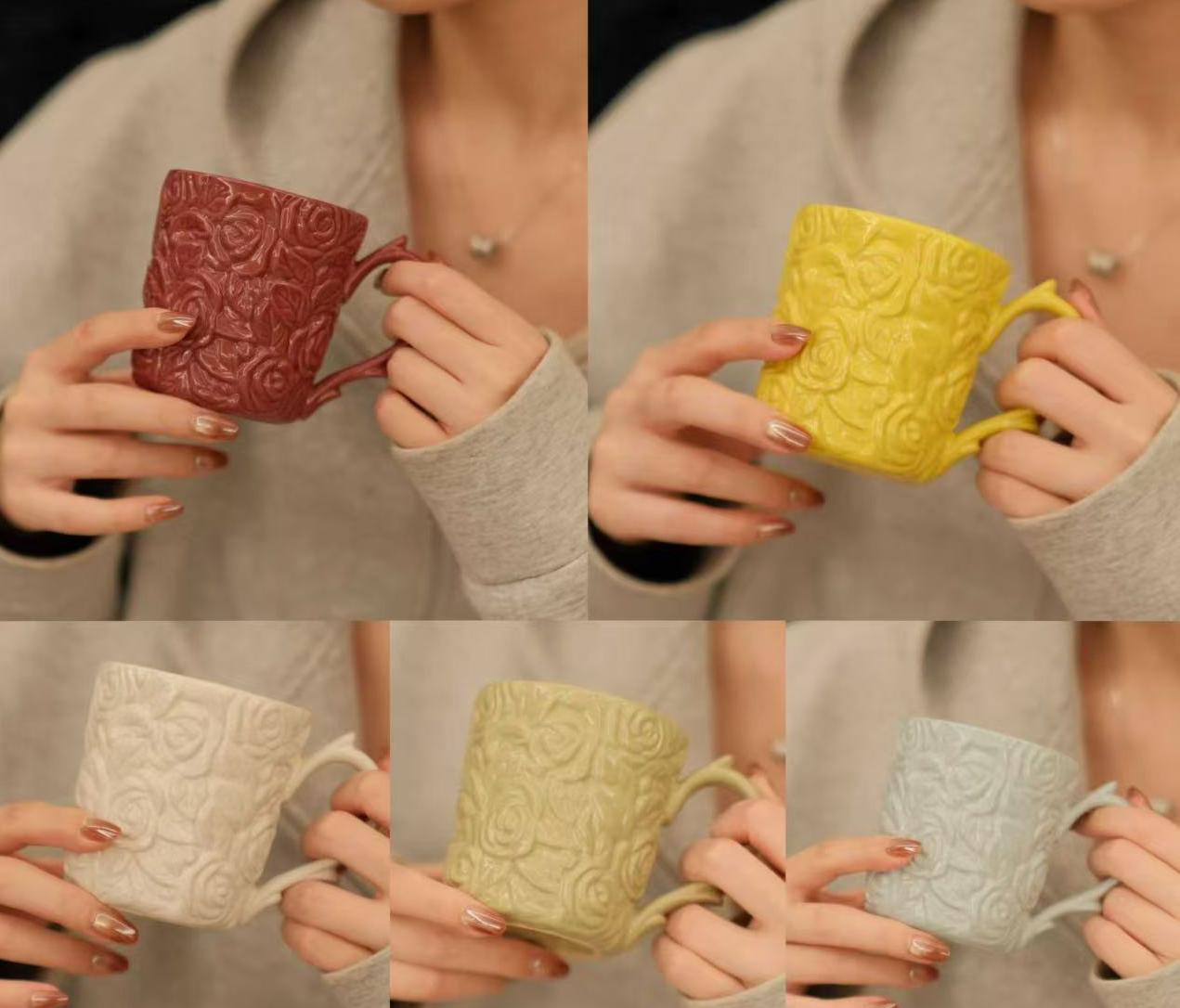
Whether you can put soup in a ceramic mug does not depend on how refined the cup looks. It depends on whether the glaze is intact, whether there is a handle, and whether you preheat the mug and wash it promptly. Among Boom Cup everyday ceramic mugs, the better fit for soup in a short sitting is a smooth-glaze mug that is easy to hold—if you need more capacity, see the XL Chubby Ceramic Mug; for an ordinary serving, start with the Clean-Line Ceramic Mug. Neither is a dedicated soup bowl. They only make “the occasional ladle of soup” something you can do properly.
FAQ
Can you put soup in a ceramic mug?
Yes, if the glaze is intact, the mug has a handle, and you are only holding or drinking the soup for a short sitting. Preheat with warm water before you pour in hot soup, wash oily soup as soon as you finish, and skip gold-rimmed or cracked cups. If the meal is built around soup that you’ll eat slowly with a spoon, a bowl is still better.
Will a ceramic mug crack if you pour hot soup straight in?
A sound everyday ceramic mug can usually take hot soup, but if the mug is cold, or has just come out of the fridge, a sudden pour of boiling-hot soup is a thermal-shock risk. Warm it with warm water first. The idea and the cautions are in can you pour boiling water into a ceramic mug.
Is oily soup or pork-rib broth hard to wash out of a ceramic mug?
A smooth glaze is usually fine if you wash it promptly; deep relief and the foot ring hold oil more easily. Don’t leave oily soup overnight. That is not the same question as can you make instant noodles in a mug, but in both cases you shouldn’t let food sit in the mug for a long time.
What capacity should a mug have if you use it for soup?
Choose it for the amount you’ll actually drink, and leave a rim—don’t fill it to the top. An ordinary everyday mug is enough for a small serving. If you often want a larger portion, see the XL Chubby Ceramic Mug or what capacity is right for a large mug. A mug still doesn’t replace a soup bowl.
Can you put soup in a gold-rimmed or plated ceramic mug?
We wouldn’t. Hot soup, a spoon, and washing are all harder on the rim and the decorative layer. For soup, use an everyday mug with an intact glaze and little decoration, such as the Clean-Line Ceramic Mug.