Quick answer: Can ceramic mugs go in the oven? Treat an everyday ceramic mug as drinkware: if it isn’t clearly labeled “oven-safe,” don’t use it as bakeware. Gold or platinum trim, electroplated finishes, mystery decals, and anything with resin, silicone, or plastic parts should stay out. An oven is dry, sustained high heat—not the same as a microwave—and microwave-safe does not mean oven-safe. Below: a comparison table, how to judge, pitfalls, and product links—so you can tell a drinking mug from a baking dish.
First: ovens, microwaves, and everyday mugs follow different rules
Once an oven is preheated, the heat is continuous: the body, handle, and decoration all sit in that heat together. A microwave heats food or liquid in a different way; the checklist for that is microwave-safe ceramic mug. You can’t infer one from the other: a microwave mark only describes microwave use. It does not automatically mean the mug can bake, roast, or sit empty in a hot oven for a long stretch.
Everyday mugs are designed to hold a hot drink, feel good in the hand, and look right on a desk—the handle, glaze decoration, and foot are built for drinking, not for bakeware-level heat. Real oven ceramic—baking dishes, ramekins—usually carries its own temperature rating, and the shape is a vessel, not a handled mug. If a mug already has hairline cracks, crazing, or a chip, don’t run a high-heat experiment; see ceramic mug cracked what to do.
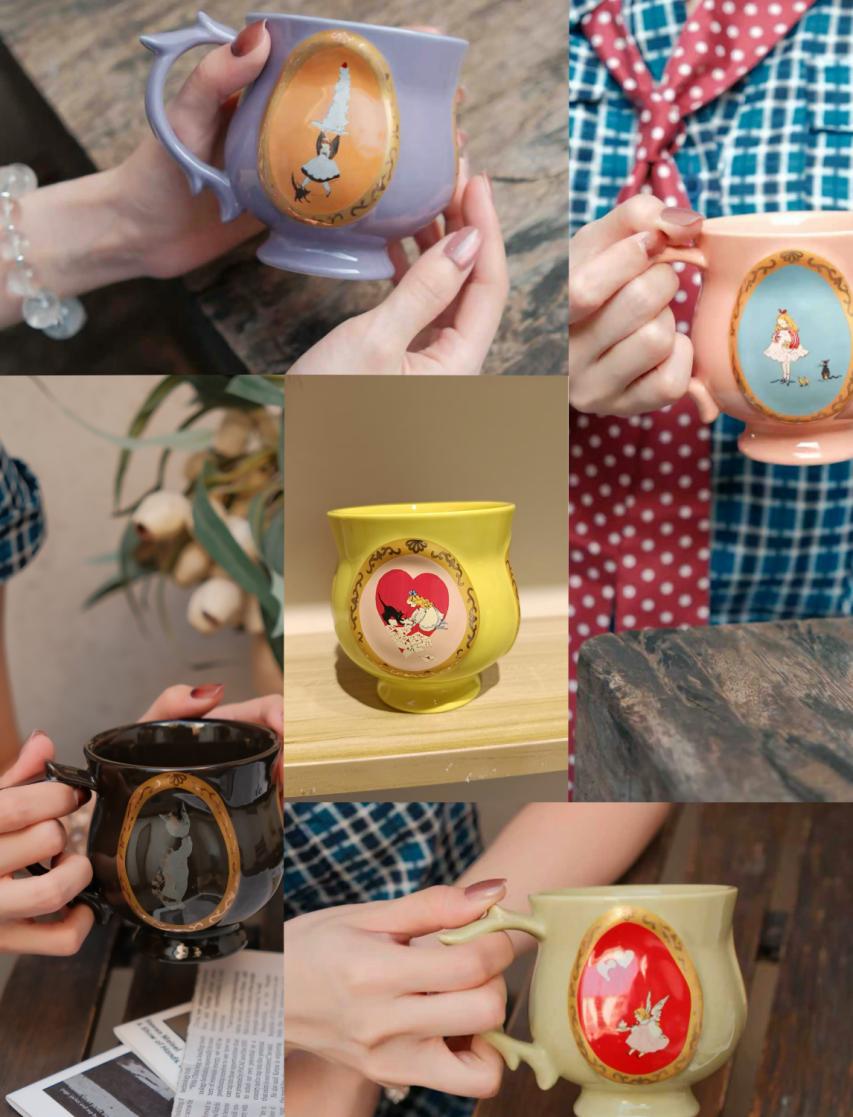
One table: when a ceramic mug should stay out of the oven
| Situation | Suggestion | Why |
|---|---|---|
| The product is clearly labeled oven-safe, with no metal decoration and no plastic or silicone parts | Follow that product’s temperature and use notes | Trust this item’s own instructions; don’t assume “other ceramics are oven-safe” applies to this mug |
| An ordinary everyday ceramic mug with no oven label | Don’t put it in the oven | Use it as drinkware; bake in proper bakeware |
| Gold or platinum trim, electroplated finishes, metallic paint, or a gilded rim | Keep it out of the oven, and don’t assume the microwave is fine either | Metal decoration is riskier in sustained heat or a microwave |
| Mystery decals, or 3D resin / figurine parts | Don’t put it in the oven | Decoration and add-ons usually aren’t designed for baking temperatures |
| A silicone gasket, plastic parts, or a dust lid going in with the mug | Don’t | Lids and gaskets are for everyday dust control, e.g. universal ceramic dust lid—they are not oven-safe |
| A mug just out of the fridge, a wet mug, or a long empty dry-heat cycle | Don’t | Thermal shock and dry-firing raise crack risk; see ceramic mug cracked what to do. Warm-up after chilling: can ceramic mugs go in the fridge |
With no label, the default answer is “this everyday mug does not go in the oven.” Confirm it on the packaging, care notes, or the brand page—not by deciding the glaze “looks sturdy.”
If you only need a hot drink, how to choose and use the mug
- Keep drinkware and bakeware separate: Use the mug for coffee, tea, and milk; bake, gratin, or roast desserts in dishes that are clearly oven-safe. Don’t “just try the mug in the oven.”
- For everyday reheats, check the microwave label—not the oven: Before warming a drink in a microwave, follow microwave-safe ceramic mug. Simple everyday mugs with little metal decoration are easier to judge—e.g. no-logo clean ceramic mug, rope-texture Nordic mug.
- Treat gold-trim and electroplated mugs as pretty room-temperature or gently warm cups: For example Korean platinum-rim mug and silver electroplated planet mug—keep them out of the oven, and don’t assume they’re microwave- or dishwasher-safe. Dishwasher rules: dishwasher-safe ceramic mug.
- Underglaze is tougher for daily use, not oven-safe by default: The value is everyday wear and easier cleaning—see underglaze ceramic mug benefits. That doesn’t mean you can treat it as a baking cup.

Pitfalls to skip
- Assuming “it holds boiling water” or “it’s microwave-safe” means it’s oven-safe: Boiling water and sustained oven heat are different conditions; microwave rules don’t transfer to the oven.
- Gold trim, electroplated finishes, metallic coatings, or mystery decals in the oven: Decoration can discolor or peel, and it adds risk.
- Lids, silicone gaskets, or resin parts going in with the mug: Those pieces aren’t made for baking temperatures. Take them off—and if the mug itself has no oven label, leave it out too.
- A cold or wet mug into a preheated oven, or a long empty dry-heat cycle: Thermal shock and dry-firing can damage the cup; crack checks: ceramic mug cracked what to do.
- Running a cracked, crazed, or chipped mug through a high-heat test: A damaged mug should leave hot-drink and heating duty, and it especially shouldn’t go in the oven.
Soft brand note
An everyday mug earns its keep when it’s pleasant to drink from, easy to wash, and easy to put away—not when it doubles as a baking dish. Boom Cup would rather you follow each product’s own notes: if it isn’t labeled for the oven, leave it on the table as drinkware and let proper bakeware do the baking.
FAQ
Can ceramic mugs go in the oven?
If an everyday ceramic mug isn’t clearly labeled oven-safe, don’t use it as bakeware. Gold or platinum trim, electroplated finishes, mystery decals, and anything with resin, silicone, or plastic parts should stay out. Bake in proper bakeware. For everyday hot drinks, prefer simple mugs with little metal decoration—e.g. no-logo clean ceramic mug, rope-texture Nordic mug.
If a ceramic mug is microwave-safe, can it go in the oven too?
No. Microwaves and ovens differ in how they heat, how hot they get, and how long that heat lasts. Microwave-safe does not mean oven-safe. For microwave use, see microwave-safe ceramic mug; for the oven, only trust a clear oven-safe label on that product.
Can gold-rim or electroplated mugs go in the oven?
No. Metallic rims, electroplated layers, or metallic paints are a poor match for sustained oven heat, and you often shouldn’t assume the microwave or dishwasher is fine either. Treat these as room-temperature or gently warm drinkware—e.g. Korean platinum-rim mug, silver electroplated planet mug. Dishwasher notes: dishwasher-safe ceramic mug.
What should I check before putting a ceramic cup in the oven?
Confirm the product is clearly labeled oven-safe, including a temperature range; remove lids, silicone gaskets, and any non-ceramic parts; make sure the cup is dry; and don’t go from the fridge into a preheated oven or run a long empty dry-heat cycle. With no label, don’t put it in. Hot-cold swings and crack risk: ceramic mug cracked what to do, can ceramic mugs go in the fridge.
How should I heat a drink if the mug has no oven label?
Pour from a kettle, or use a microwave if the mug allows it—don’t put the mug in the oven “just to warm it.” Microwave checks: microwave-safe ceramic mug. For an easy-to-wash, easy-to-judge everyday mug, see no-logo clean ceramic mug; a lid is only for room-temperature or gently warm use, e.g. universal ceramic dust lid.
Wrap-up
Can ceramic mugs go in the oven—only if that product is clearly labeled oven-safe. Everyday drinkware, gold trim, plating, and lids stay out. Microwave-safe is not oven-safe. Keep mugs for drinking and use proper bakeware for baking.